

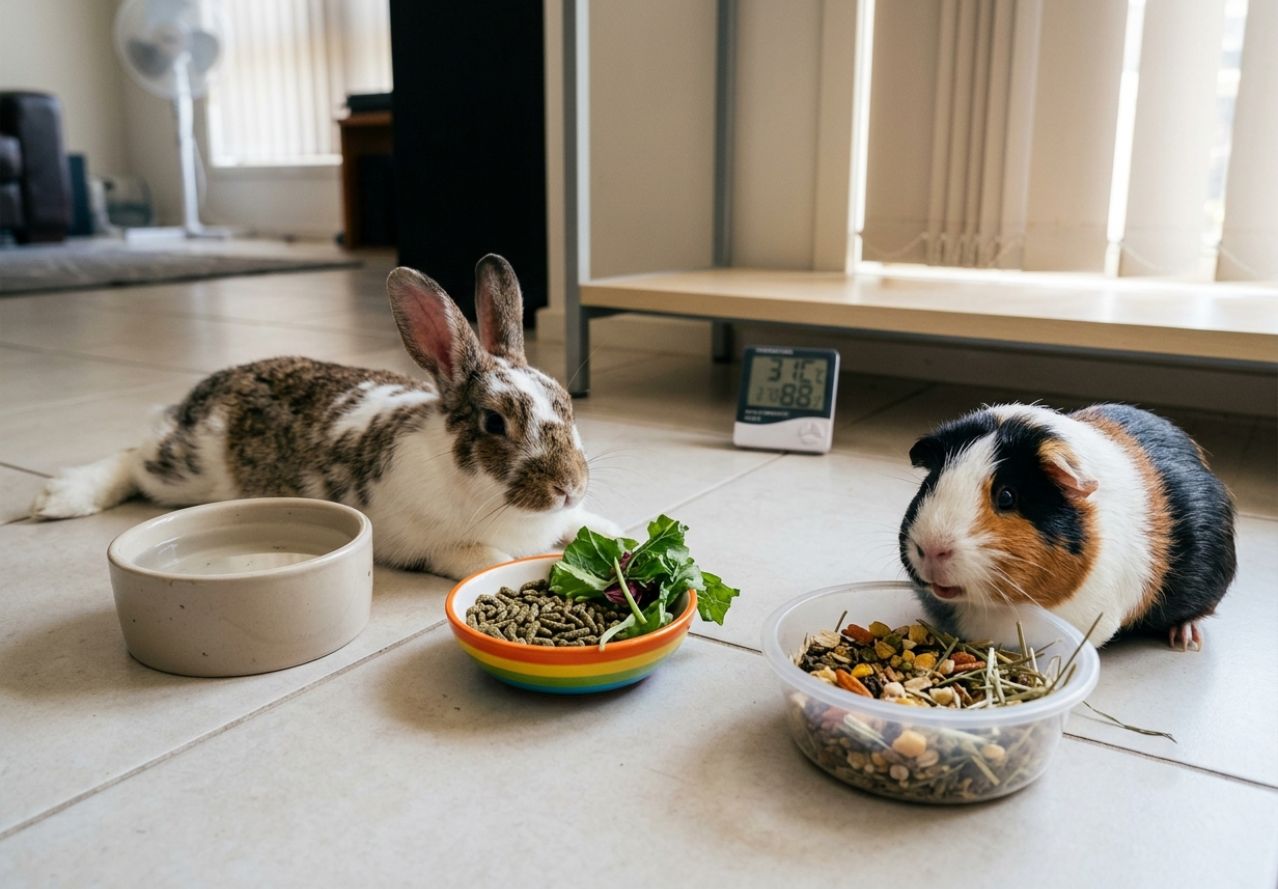
As temperatures rise during summer, heatwaves can impact not only humans but also pets. Many pet owners notice changes in their pet’s routine, including reduced activity levels, increased water intake, and a sudden decrease in food consumption. While a temporary change in appetite can be normal, prolonged eating issues may indicate discomfort or heat-related stress.
Understanding how heatwaves affect pet appetite and eating habits can help pet owners take preventive measures and ensure their furry companions remain healthy and hydrated during hot weather.
Why Heatwaves Affect Pets
Pets are more sensitive to extreme temperatures than many people realize. Unlike humans, pets do not cool themselves efficiently through sweating. Dogs primarily regulate body temperature through panting, while cats often seek cool places and reduce activity.
During heatwaves, pets may experience:
- Increased body temperature
- Dehydration
- Reduced energy levels
- Heat stress
- Digestive discomfort
These factors can directly affect eating patterns.
How Heatwaves Affect Pet Appetite
A reduced appetite is one of the most common changes noticed during extreme heat conditions.
Lower Energy Requirements
During hot weather, pets often become less active to conserve energy. Reduced physical activity means fewer calories are burned, leading to lower hunger levels.
As a result, many pets naturally eat less during summer.
Increased Water Intake
Heatwaves usually increase thirst levels.
Pets often drink more water to regulate body temperature and maintain hydration. Increased fluid intake can sometimes create a feeling of fullness and temporarily reduce appetite.
Heat Stress and Discomfort
Heat stress in pets can significantly affect normal eating habits.
Common symptoms include:
- Excessive panting
- Lethargy
- Drooling
- Weakness
- Restlessness
- Reduced appetite
If these symptoms become severe, immediate veterinary attention may be necessary.
Changes in Pet Eating Habits During Summer
Heat can influence not only how much pets eat but also how they eat.
Eating Smaller Portions
Some pets may prefer smaller meals throughout the day instead of large portions.
Eating During Cooler Hours
Many pets naturally shift their eating schedule and become more interested in food during:
- Early morning
- Late evening
- Nighttime
Cooler temperatures often improve comfort levels.
Preference for Moist Foods
Pets may show increased interest in wet food or moisture-rich meals during summer because these foods help support hydration.
Signs of Heat Stress in Pets to Watch For
Mild appetite changes may be common, but certain symptoms should not be ignored.
Watch for:
- Refusing food for extended periods
- Vomiting
- Diarrhea
- Heavy panting
- Rapid heartbeat
- Extreme fatigue
- Difficulty breathing
Persistent symptoms may indicate heat exhaustion or other health concerns.
Summer Pet Care Tips to Support Healthy Eating Habits
Keeping pets comfortable during heatwaves can help maintain healthy eating patterns.
Provide Fresh Water at All Times
Ensure clean and cool drinking water is always available.
Feed During Cooler Hours
Schedule meals during early mornings or evenings when temperatures are lower.
Avoid Heavy Physical Activity
Excessive exercise during peak heat hours may worsen discomfort and reduce appetite further.
Create a Cool Environment
Provide:
- Shaded spaces
- Cooling mats
- Proper ventilation
- Indoor cooling when possible
Offer Balanced Nutrition
Avoid overfeeding treats and ensure pets receive nutritious meals that support energy and hydration needs.
Foods to Avoid During Heatwaves
Certain foods may become difficult for pets to digest during hot weather.
Avoid:
- Excessively fatty foods
- Large heavy meals
- Foods high in salt
- Spoiled or improperly stored food
Fresh food handling becomes especially important during summer.
Final Thoughts
Heatwaves affect pet appetite and eating habits in several ways, from lowering energy requirements to causing heat-related discomfort. Temporary appetite changes are often normal, but significant or prolonged symptoms should be monitored carefully.
By understanding pet behavior during hot weather and following practical summer pet care tips, owners can help maintain their pet’s comfort, nutrition, and overall well-being throughout the season.