

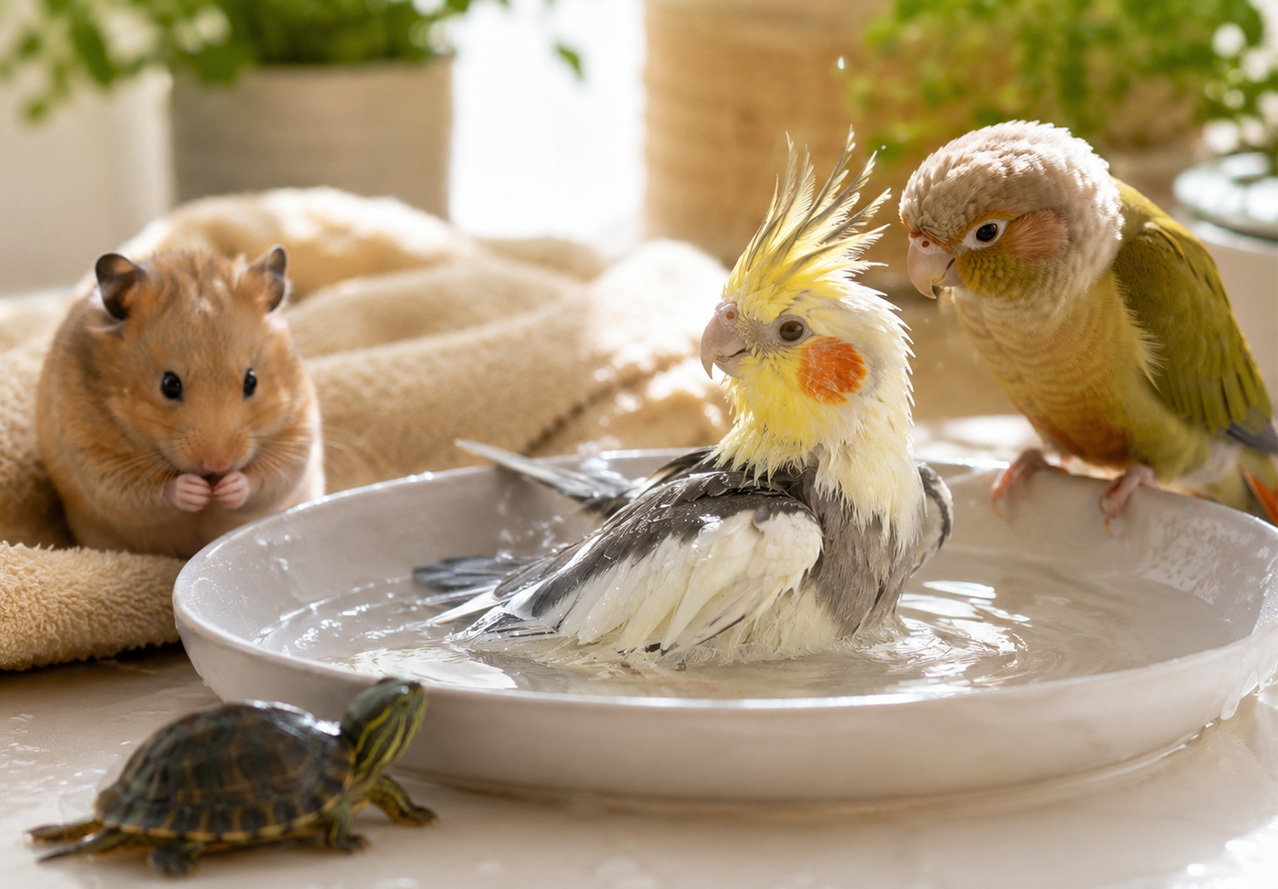
Maintaining proper hygiene is essential for the health and comfort of birds and small pets. While many pet owners focus on feeding and playtime, grooming and bathing routines are equally important. However, bathing smaller animals requires extra care because birds, rabbits, guinea pigs, hamsters, and similar pets have delicate skin, sensitive fur, and unique grooming needs.
Following the right safe bathing tips for birds and small pets can help prevent skin irritation, stress, infections, and discomfort. Since every species has different bathing requirements, understanding proper techniques is important for keeping pets healthy and relaxed during grooming sessions.
Why Proper Bathing Matters for Small Pets
Bathing helps remove dirt, excess oil, loose fur, and allergens from a pet’s coat or feathers. It also supports healthier skin and reduces unpleasant odors. However, overbathing or using improper products can harm small animals instead of helping them.
Birds naturally clean themselves through preening and may only require mist baths or shallow water baths occasionally. Small mammals like rabbits and hamsters generally do not need frequent bathing unless medically necessary. Understanding species-specific hygiene routines is an important part of responsible pet care.
Using proper safe bathing tips for birds and small pets ensures grooming stays comfortable and stress-free for animals.
Understanding Different Bathing Needs
Each type of small pet has different hygiene requirements.
Birds
Many birds enjoy light misting or shallow baths using clean lukewarm water. Bathing helps maintain feather quality and supports natural grooming behavior.
Rabbits
Rabbits should rarely receive full baths because wet fur can increase stress and lead to health complications. Spot cleaning is usually safer.
Guinea Pigs
Guinea pigs may occasionally require gentle baths if their fur becomes dirty or oily.
Hamsters
Hamsters typically clean themselves naturally and often prefer dust baths instead of water-based bathing.
Learning how to bathe small pets safely depends largely on understanding the individual needs of each species.
Use Lukewarm Water and Pet-Safe Products
Temperature plays a major role during grooming. Water that is too hot or too cold may stress small pets and cause discomfort.
For safer bathing:
- Use lukewarm water only
- Avoid strong water pressure
- Choose species-specific grooming products
- Never use human shampoos
- Keep bathing sessions short and gentle
Harsh chemicals and strong fragrances may irritate sensitive skin and feathers. Pet-safe products help maintain natural oils while supporting healthier coats and skin.
Reduce Stress During Bathing
Many birds and small pets become anxious during grooming sessions. Sudden movements, loud sounds, or rough handling may increase stress and make bathing difficult.
Helpful stress-reduction practices include:
- Speaking softly during bathing
- Holding pets gently and securely
- Bathing in a quiet environment
- Allowing breaks if pets appear frightened
These methods are essential when learning how to bathe small pets safely without causing fear or discomfort.
Drying Is Just as Important
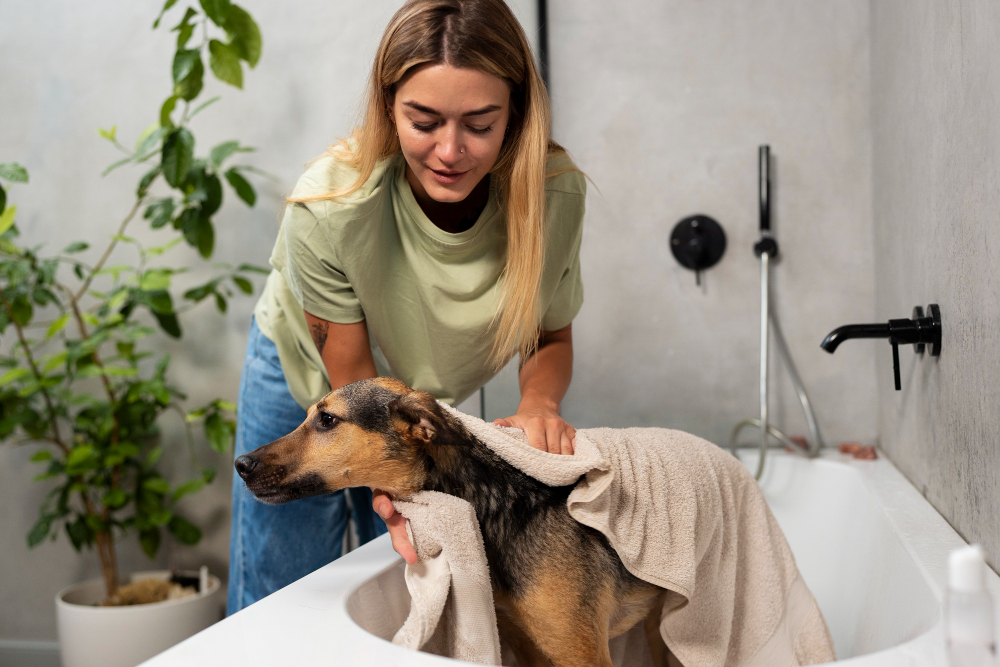
After bathing, pets must be dried properly to prevent chills and skin issues. Small pets can lose body heat quickly if left wet for long periods.
Safe drying tips include:
- Use soft towels gently
- Keep pets in warm indoor areas
- Avoid extremely hot dryers
- Ensure feathers and fur dry completely
Birds should also be allowed enough time to naturally groom and rearrange their feathers after bathing.
Managing Grooming Routines More Easily
Keeping track of grooming schedules can sometimes become difficult for busy pet owners. Regular hygiene routines help maintain healthier skin, fur, and feathers throughout the year.
Using an Animal Grooming App can help pet owners organize bathing reminders, grooming schedules, and hygiene tracking for birds and small pets more efficiently.
Conclusion
Proper hygiene plays a major role in supporting the health and comfort of birds and small pets. By understanding species-specific needs, using pet-safe grooming methods, and reducing stress during bathing, pet owners can create safer and more comfortable grooming experiences.
Following reliable safe bathing tips for birds and small pets helps prevent skin irritation, discomfort, and hygiene-related health problems while supporting overall wellness. Consistent care, patience, and gentle handling make grooming routines easier and safer for both pets and owners.
FAQs
1. How often should birds and small pets be bathed?
Bathing frequency depends on the species, coat type, and hygiene needs of the pet. Some birds enjoy regular mist baths, while rabbits and hamsters may require very limited water exposure. Understanding proper grooming routines helps maintain healthy skin, feathers, and fur without causing unnecessary stress.
2. What is the safest way to clean small pets at home?
The safest grooming approach involves using lukewarm water, gentle handling, and pet-safe hygiene products specifically designed for smaller animals. Learning proper small pet bathing methods can help reduce stress, avoid skin irritation, and maintain healthier grooming routines for pets at home.
3. Can overbathing harm birds and small pets?
Yes, frequent bathing may strip away natural oils from fur, skin, or feathers, leading to dryness and discomfort. Some small animals naturally self-clean and may only require occasional grooming support rather than frequent water-based cleaning sessions.
4. Which products should be avoided while bathing small pets?
Human shampoos, strong soaps, and heavily scented products should never be used on birds or small pets because they may irritate delicate skin and feathers. Pet-safe grooming products specifically created for smaller animals are always the safer option for hygiene care.
5. How does PetCare AI help manage pet grooming routines?
PetCare AI helps pet owners organize hygiene schedules, bathing reminders, and grooming management for birds and small pets. Maintaining regular care routines becomes easier when pet parents can track grooming activities and wellness habits consistently in one platform.
6. Can PetCare AI support safe hygiene management for small pets?
Yes, PetCare AI supports pet owners by helping manage grooming schedules, bathing reminders, and overall wellness tracking. Organized hygiene routines can help maintain healthier coats, feathers, and skin conditions for birds and small pets throughout the year.