
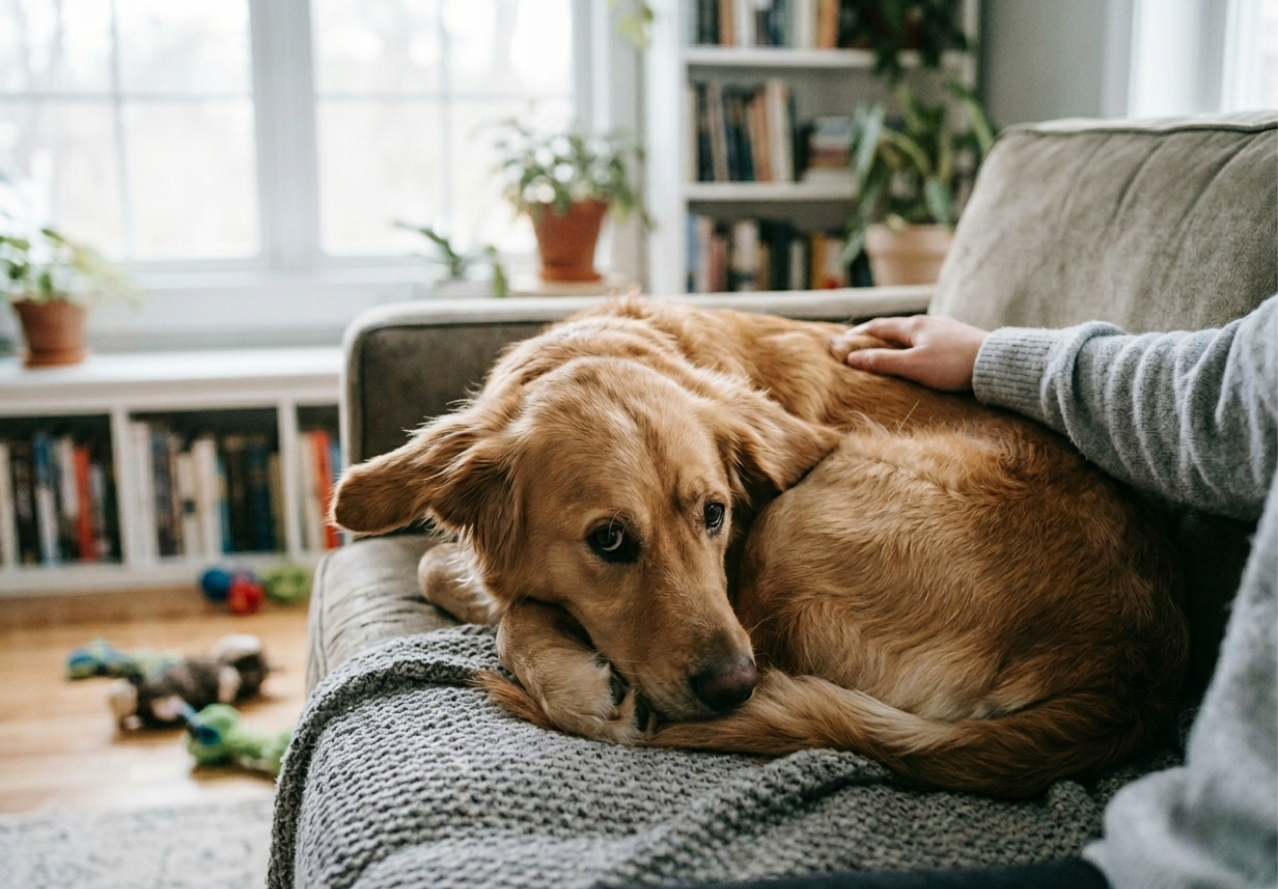
Grooming your dog isn’t just about keeping them looking cute. Regular grooming is essential for maintaining your dog’s health, comfort, and hygiene.
Proper grooming helps prevent skin infections, removes loose hair, improves blood circulation, and allows pet parents to identify early signs of health problems.
If you’re a new pet parent, this complete dog grooming guide will help you understand everything you need to know about grooming your dog safely at home.
Why is Dog grooming important?
Dog grooming plays a critical role in maintaining overall health.
Regular grooming helps:
• Remove dirt, debris, and loose fur
• Prevent painful matting and tangles
• Reduce skin infections and parasites
• Improve coat health and shine
• Detect injuries, lumps, or skin problems early
Grooming is also a great way to bond with your dog and build trust.
Essential Dog Grooming Tools
Before you start grooming, you’ll need the right tools.
1. Dog Brush
Different dogs require different brushes depending on their coat type.
Common brush types include:
• Slicker brush for removing mats and tangles
• Bristle brush for short-haired dogs
• Pin brush for long-haired breeds
Brushing helps remove loose hair and distribute natural oils in the coat.
2.Dog Shampoo
Always use dog-specific shampoo.
Human shampoo can disrupt a dog’s skin pH and cause irritation.
Choose shampoos that are:
• Hypoallergenic
• Paraben-free
• Designed for sensitive skin
3.Dog Nail Clippers
Overgrown nails can cause discomfort and affect your dog’s walking posture.
Regular nail trimming prevents:
• Broken nails
• Paw injuries
• Joint strain
4.Dog Ear Cleaner
Dogs are prone to ear infections, especially breeds with floppy ears.
Use a vet-approved ear cleaner to gently clean the ear canal.
5.Dog Trimmers or Clippers
Dog trimmers help maintain coat length and prevent matting.
They are especially useful for long-haired breeds like Shih Tzus, Poodles, and Golden Retrievers.
Step-by-Step Dog Grooming Routine
Follow this simple grooming routine to keep your dog clean and healthy.
Step 1: Brush Your Dog
Brushing removes loose fur, dirt, and tangles.
Frequency depends on coat type:
• Short coat dogs – once a week
• Medium coat dogs – 2–3 times a week
• Long coat dogs – daily brushing
Brushing also helps detect early skin issues.
Step 2: Bathe Your Dog
Most dogs do not require frequent baths.
Recommended bathing frequency:
• Every 4–6 weeks for most dogs
• More frequently if they get dirty or have skin issues
Avoid over-bathing as it can dry out your dog’s skin.
Step 3: Trim Nails
Check your dog’s nails every 3–4 weeks.
If you hear clicking sounds when your dog walks, the nails are likely too long.
Trim carefully to avoid the quick (the blood vessel inside the nail).
Step 4: Clean the Ears
Ear cleaning prevents infections and odor.
Signs that your dog’s ears need cleaning:
• Strong odor
• Excess wax
• Frequent scratching
Use cotton pads and a vet-approved ear solution.
Step 5: Trim the Coat
Hair trimming helps maintain coat hygiene.
Focus on areas that easily collect dirt:
• Paw pads
• Around the eyes
• Sanitary area
Always use dog-specific trimmers for safety.
Common Dog Grooming Mistakes
Many pet parents unknowingly make grooming mistakes that can harm their dog.
Avoid these common errors:
• Using human shampoo
• Cutting nails too short
• Bathing dogs too frequently
• Ignoring ear cleaning
• Using incorrect brushes
Learning proper grooming techniques helps prevent discomfort and injuries.
How often should you groom your dog?
Grooming frequency depends on breed, coat type, and lifestyle.
General guideline:
| Grooming Activity | Recommended Frequency |
| Brushing | 1–7 times per week |
| Bathing | Every 4–6 weeks |
| Nail trimming | Every 3–4 weeks |
| Ear cleaning | Every 2–4 weeks |
| Hair trimming | Every 6–8 weeks |
When to Visit a Professional Groomer
While home grooming is effective, some dogs require professional grooming services.
Consider professional grooming if:
• Your dog has severe matting
• The breed requires specialized grooming
• Your dog becomes extremely anxious during grooming
Professional groomers have the tools and experience to handle complex grooming needs.
Monitoring Skin Health During Grooming
Grooming sessions are also a great opportunity to monitor your dog’s health.
While grooming, check for:
• Redness or rashes
• Unusual lumps or bumps
• Skin infections
• Parasites like ticks or fleas
Early detection can help prevent serious health issues.
Modern pet technology like PetCare AI also allows pet parents to analyze skin conditions using photo-based health scanning to detect early warning signs.
Final Thoughts
Regular dog grooming is one of the most important responsibilities of a pet parent.
With the right tools and routine, grooming can become a simple, enjoyable experience for both you and your dog.
By maintaining proper grooming habits, you not only keep your dog clean and comfortable but also help ensure their long-term health and happiness.
Frequently Asked Questions
-
How often should I groom my dog?
Most dogs should be groomed every 4–6 weeks, with brushing done weekly or daily depending on coat type.
-
Can I groom my dog at home?
Yes. With the right grooming tools and techniques, many dogs can be safely groomed at home.
-
What is the most important part of dog grooming?
Brushing is often the most important step because it prevents matting, removes loose fur, and keeps the coat healthy.
-
Do dogs feel better after grooming?
Yes. Grooming removes discomfort caused by tangled fur, dirt, and long nails, making dogs feel more comfortable.