

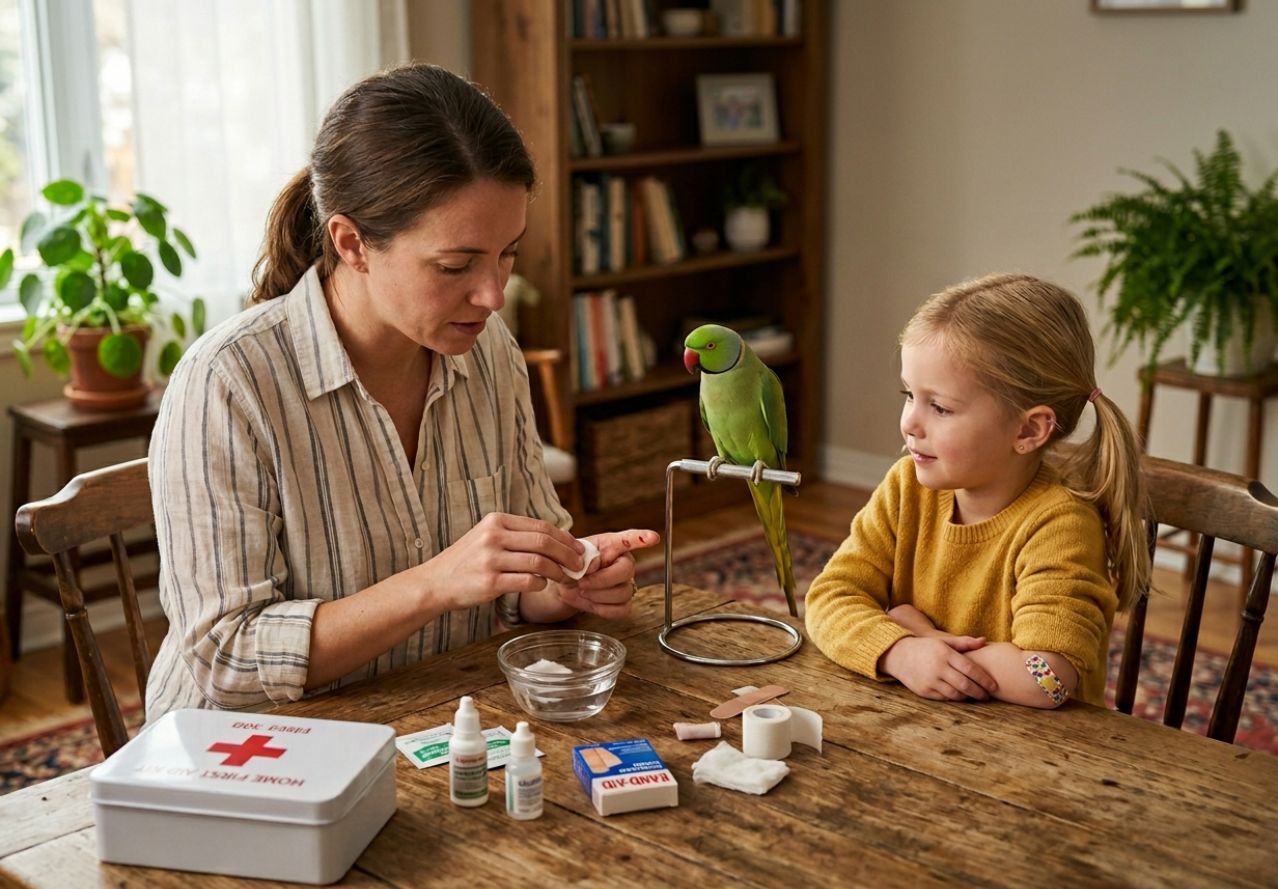
Pets are naturally curious and active, which sometimes leads to small injuries during playtime, walks, or daily activities. Minor cuts and wounds can happen unexpectedly, whether from sharp objects, rough surfaces, or accidental scratches. While small injuries are common, knowing the right way to respond can help prevent infections and support faster healing.
Understanding how to manage minor cuts and wounds in pets at home can help pet owners provide immediate care before seeking professional help if needed.
Understanding Minor Cuts and Wounds in Pets
Minor wounds usually affect the outer layer of the skin and may not require emergency treatment.
Common examples include:
- Small scratches
- Superficial cuts
- Minor abrasions
- Tiny paw injuries
- Light skin tears
However, even small wounds require proper cleaning and monitoring.
Signs of Minor Pet Injuries
Before starting treatment, examine the affected area carefully.
Common signs include:
- Slight bleeding
- Redness around the area
- Small skin openings
- Mild swelling
- Licking or scratching the injured area
If symptoms appear severe, immediate veterinary attention may be required.
Steps to Handle Minor Cuts and Wounds at Home
Stay Calm and Comfort Your Pet
Pets can become anxious when injured. Speak gently and keep them calm while examining the wound.
A relaxed pet allows safer handling during first aid.
Clean Your Hands First
Wash your hands thoroughly before touching the injury to reduce contamination risk.
Maintaining hygiene is an important step in pet first aid at home.
Stop Minor Bleeding
If bleeding is present, apply gentle pressure using:
- Clean gauze
- Soft cloth
- Sterile dressing material
Apply light pressure for a few minutes until bleeding slows down.
Clean the Wound Carefully
Rinse the affected area gently with clean water or a veterinarian-approved saline solution.
Cleaning helps remove:
- Dirt
- Dust
- Debris
- Foreign particles
Avoid scrubbing the wound aggressively.
Dry the Area Properly
Use a clean towel or soft gauze to gently dry the wound area.
Keeping the area clean and dry helps support healing.
Things to Avoid While Treating Pet Wounds
Many pet owners unknowingly use products that may irritate the injury.
Avoid:
- Human medications without veterinary advice
- Harsh chemicals
- Alcohol-based products
- Strong antiseptics not designed for pets
- Tight bandaging without guidance
Using inappropriate products can slow recovery.
Prevent Your Pet From Licking the Wound
Pets often lick injured areas, but excessive licking may:
- Introduce bacteria
- Delay healing
- Reopen the wound
- Increase irritation
Monitor your pet and use protective measures if recommended by a veterinarian.
When to Seek Veterinary Help
Home care may be suitable only for small injuries.
Contact a veterinarian if you notice:
- Deep wounds
- Continuous bleeding
- Swelling that worsens
- Signs of infection
- Pus formation
- Difficulty walking
- Severe pain
Professional care may be necessary to avoid complications.
Tips for Better Pet Health Care
Preventing injuries is equally important.
Follow these tips:
- Keep sharp objects away
- Inspect play areas regularly
- Maintain clean living spaces
- Check paws after outdoor walks
- Monitor pets during active play
Final Thoughts
Knowing how to handle minor cuts and wounds in pets at home can help pet owners respond quickly and confidently. Basic first aid and proper wound care can reduce discomfort and support healing.
However, always monitor your pet closely because even small injuries can sometimes become more serious. A combination of quick action, proper care, and veterinary support can help keep your pet healthy and safe.