

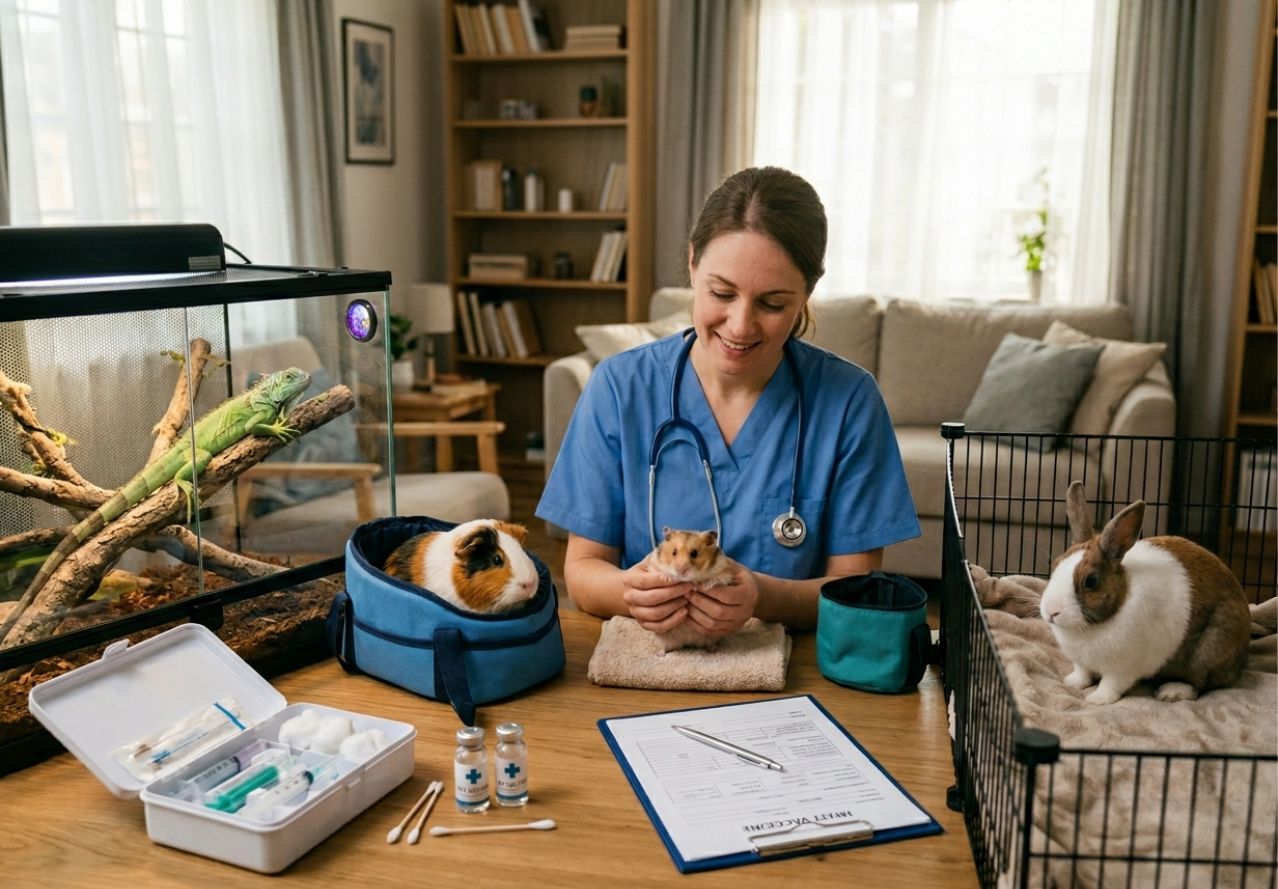
Many pet owners assume that keeping pets indoors automatically protects them from infections and diseases. Since indoor pets are less exposed to outdoor environments, vaccination is often overlooked. However, being an indoor pet does not guarantee complete protection against health risks.
Disease-causing viruses and bacteria can still enter your home through people, objects, or occasional interactions with other animals. Understanding the importance of indoor pets and vaccination helps pet owners make informed decisions for long-term health and safety.
Why Vaccination Is Important for Indoor Pets
Vaccination is an essential part of preventive pet care because it helps strengthen a pet’s immune system against potentially harmful diseases.
Vaccines help:
- Protect against serious infections
- Support long-term immunity
- Reduce health complications
- Minimize disease spread
- Improve overall pet well-being
Even pets that spend most of their time indoors benefit from proper vaccination schedules.
Can Indoor Pets Still Be at Risk?
Although indoor pets live in a controlled environment, certain risks still exist.
Exposure Through Humans
Pet owners unknowingly bring outside elements into the house every day.
Disease-causing organisms can travel through:
- Shoes
- Clothing
- Hands
- Bags
- Outdoor surfaces
Certain bacteria and viruses may survive long enough to create potential risks.
Contact With Other Animals
Even indoor pets occasionally interact with other animals during:
- Veterinary visits
- Grooming appointments
- Boarding services
- Visits from friends or family pets
Brief exposure can sometimes increase the chance of infection.
Unexpected Outdoor Exposure
Pets may unexpectedly leave the house because of:
- Open doors
- Balcony access
- Travel situations
- Emergency situations
Vaccination provides protection even during unforeseen circumstances.
Common Vaccines for Dogs and Cats
Vaccination needs vary depending on your pet’s age, breed, lifestyle, and overall health condition.
Vaccines for Dogs
Common dog vaccines may include:
- Rabies vaccine
- Distemper vaccine
- Canine parvovirus vaccine
- Hepatitis vaccine
- Leptospirosis vaccine
Vaccines for Cats
Common cat vaccines may include:
- Rabies vaccine
- Feline calicivirus vaccine
- Feline viral rhinotracheitis vaccine
- Feline panleukopenia vaccine
Your veterinarian can recommend the appropriate vaccination schedule.
Common Misconceptions About Vaccination for Indoor Pets
“My Pet Never Goes Outside”
Indoor pets may still encounter disease exposure through indirect contact.
“Vaccination Is Needed Only Once”
Some vaccines require booster doses to maintain protection levels.
“Indoor Pets Have No Infection Risk”
While indoor living reduces risk, it does not eliminate it completely.
Additional Indoor Pet Care Tips
Vaccination works best when combined with proper health management.
Consider these practices:
- Schedule regular health checkups
- Maintain a clean environment
- Provide balanced nutrition
- Monitor behavioral changes
- Follow recommended vaccination schedules
- Keep your pet physically active
Benefits of Preventive Pet Care
Preventive care helps identify potential issues before they become serious health concerns.
Benefits include:
- Better immune health
- Lower medical expenses over time
- Reduced risk of severe illness
- Improved quality of life
Final Thoughts
Indoor pets enjoy a safer environment, but they are not completely protected from diseases. Vaccination for indoor pets remains an important step in maintaining overall health and preventing avoidable illnesses.
A proactive healthcare approach that combines proper nutrition, regular veterinary visits, and timely vaccinations can help ensure a healthier and happier life for your pet.