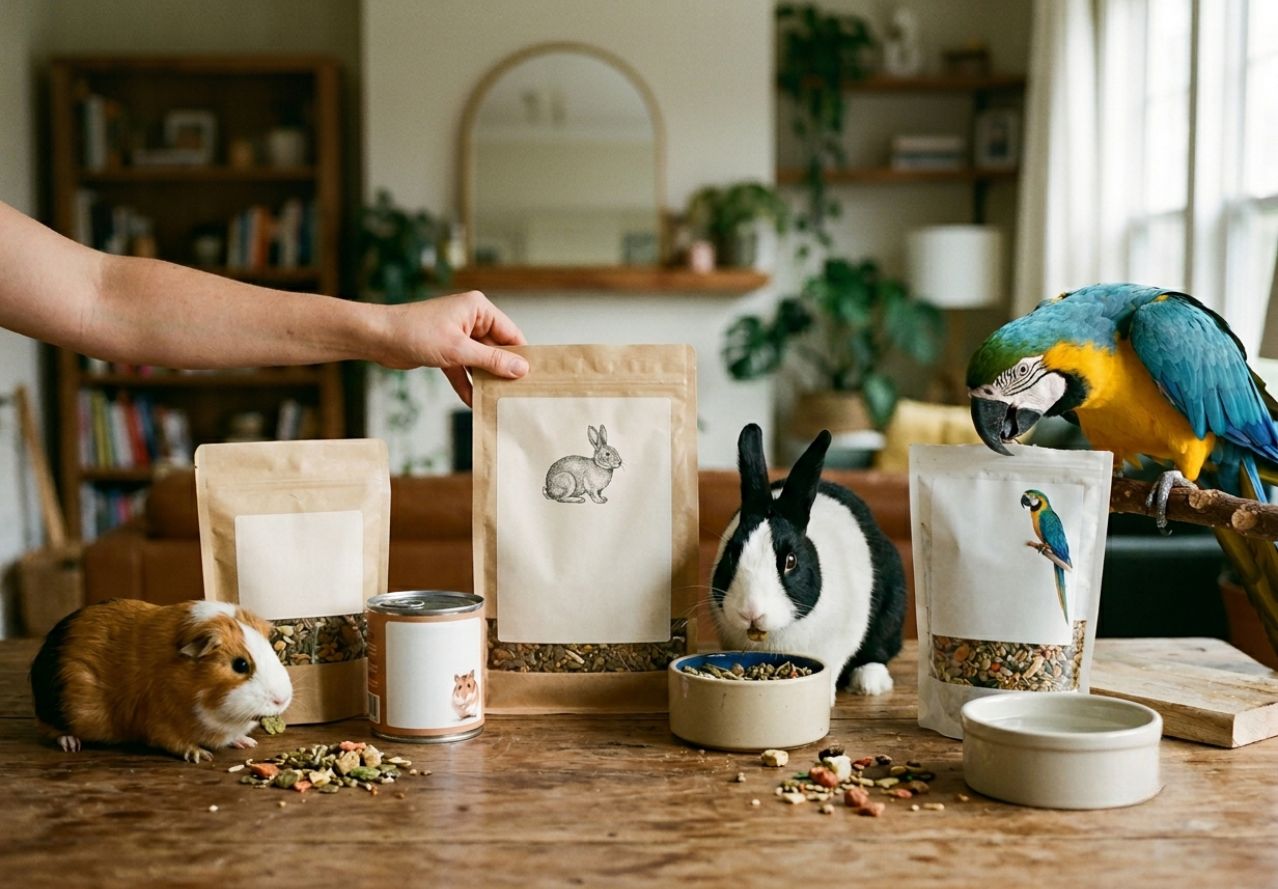
As pet owners, we often pick food based on attractive packaging, images of healthy pets, or claims like “high protein,” “natural,” and “complete nutrition.” However, understanding pet food labels is important if you want to make informed decisions about your pet’s health. Pet food labels contain valuable information that can help you determine whether the product actually meets your pet’s nutritional needs.
Learning how to read pet food labels can help you avoid misleading marketing terms and select healthier food options for your furry companion. This guide explains protein sources, preservatives, and nutritional claims so you can confidently choose the right food.
Why Understanding Pet Food Labels Matters
Many pet owners assume all pet foods provide the same nutritional value. However, products can vary significantly in ingredient quality, nutritional composition, and manufacturing standards.
Reading pet food labels helps you:
- Understand ingredient quality
- Identify important nutrients
- Avoid harmful additives
- Compare products effectively
- Make healthier pet food choices
A pet nutrition guide starts with understanding what the label actually says rather than trusting only marketing statements.
Understanding Protein in Pet Food
Protein is one of the most important nutrients for pets. It supports muscle growth, immune function, healthy skin, and overall development.
However, not all protein sources are equal.
High-Quality Protein Sources
Look for clearly identified protein ingredients such as:
- Chicken
- Salmon
- Turkey
- Lamb
- Beef
- Eggs
When specific meat sources appear near the beginning of the ingredient list, it usually indicates a stronger protein profile.
Protein Meal vs Fresh Protein
Pet food labels may contain terms like:
Chicken Meal: Concentrated protein created after removing moisture.
Fresh Chicken: Contains natural moisture and may contribute less protein than expected after processing.
Both can provide nutritional value, but understanding the difference helps evaluate actual protein content.
How Much Protein Does Your Pet Need?
Protein requirements vary based on:
- Age
- Breed
- Activity level
- Health conditions
- Weight
Active dogs and growing puppies generally require more protein than older pets.
Understanding Pet Food Preservatives
Preservatives are added to maintain freshness and extend shelf life. While some preservatives are considered safe, others may raise concerns for pet owners.
Natural Preservatives
Natural preservatives commonly include:
- Vitamin E (Mixed Tocopherols)
- Vitamin C
- Rosemary Extract
These ingredients help preserve food naturally and are preferred by many pet owners.
Artificial Preservatives
Some labels may include:
- BHA
- BHT
- Ethoxyquin
Artificial preservatives help prevent spoilage but are often debated among pet owners regarding long-term use.
When reading pet food labels, consider products with transparent ingredient lists and fewer unnecessary additives.
Nutritional Claims on Pet Food Explained
Pet food packaging often includes eye-catching phrases designed to influence buying decisions. Understanding nutritional claims on pet food helps distinguish facts from marketing.
“Complete and Balanced”
This claim means the food is formulated to provide essential nutrients required for your pet’s daily diet.
“Natural”
Natural generally indicates ingredients sourced from plants, animals, or minerals with limited artificial processing. However, the definition may vary among manufacturers.
“Premium” or “Gourmet”
These terms often sound impressive but may not have standardized nutritional definitions.
“High Protein”
High protein claims should always be verified by checking the guaranteed analysis section and ingredient list.
Grain-Free Claims
Grain-free foods replace grains with alternatives such as potatoes or legumes. Grain-free does not automatically mean healthier for every pet.
Understanding the Ingredient List
Ingredients on pet food labels are usually listed by weight before processing.
Important tips:
Look at the First Five Ingredients
The first few ingredients generally make up a large portion of the product.
Watch for Ingredient Splitting
Manufacturers may separate similar ingredients into multiple components, making a food appear more meat-rich than it actually is.
For example:
- Corn Flour
- Corn Gluten
- Ground Corn
These ingredients together may represent a large percentage of the product.
Check the Guaranteed Analysis
Guaranteed analysis typically includes:
- Crude Protein
- Fat Content
- Fiber
- Moisture
- Essential Nutrients
This section gives a quick overview of nutritional composition.
Common Red Flags in Pet Food Labels
Watch for these warning signs when understanding pet food ingredients:
- Unidentified meat sources
- Excessive fillers
- Too many artificial additives
- Misleading health claims
- Excessive sugar or flavor enhancers
Transparency often indicates better quality.
Tips for Choosing Healthy Pet Food
Choosing the right pet food becomes easier when you understand labels.
Consider these practical tips:
- Prioritize quality protein sources
- Choose foods with natural preservatives
- Read nutritional claims carefully
- Compare ingredient lists
- Consult your veterinarian if needed
Final Thoughts
Understanding pet food labels is not about memorizing scientific terms. It is about making informed choices for your pet’s long-term health and well-being.
The next time you buy pet food, take a closer look beyond the packaging design and marketing promises. Learning how to evaluate protein in pet food, preservatives, and nutritional claims can help you provide balanced nutrition and support a healthier lifestyle for your pet.
A few extra minutes spent reading labels today can make a big difference in your pet’s future health.